Home batteries get a lot of attention, and a lot of sales pressure. The honest question for a Greater Pittsburgh homeowner is simple: what does a battery cost, and what do you get for it?
This guide walks through 2026 prices, why Pennsylvania's net metering rules change the answer, what happened to the federal tax credit, and how a battery compares to a generator.
What a home battery costs in Pittsburgh
EnergySage's Pittsburgh storage cost data, updated Oct. 18, 2026, puts the average installed price at about $1,350 per kWh of storage, before incentives:
The same source lists an average range of $21,240 to $60,900 for solar plus storage together in Pittsburgh. These are averages from people comparing quotes on that marketplace. Your price depends on the battery, how much of the house it backs up, and the electrical work your home needs.
There is no Pennsylvania state battery rebate right now. EnergySage's Pennsylvania incentives page notes the state does not offer battery-specific incentives.
Net metering vs a battery: where the savings come from
In many states, batteries save money because exported solar is credited at a low rate. Pennsylvania is different for most homes today.
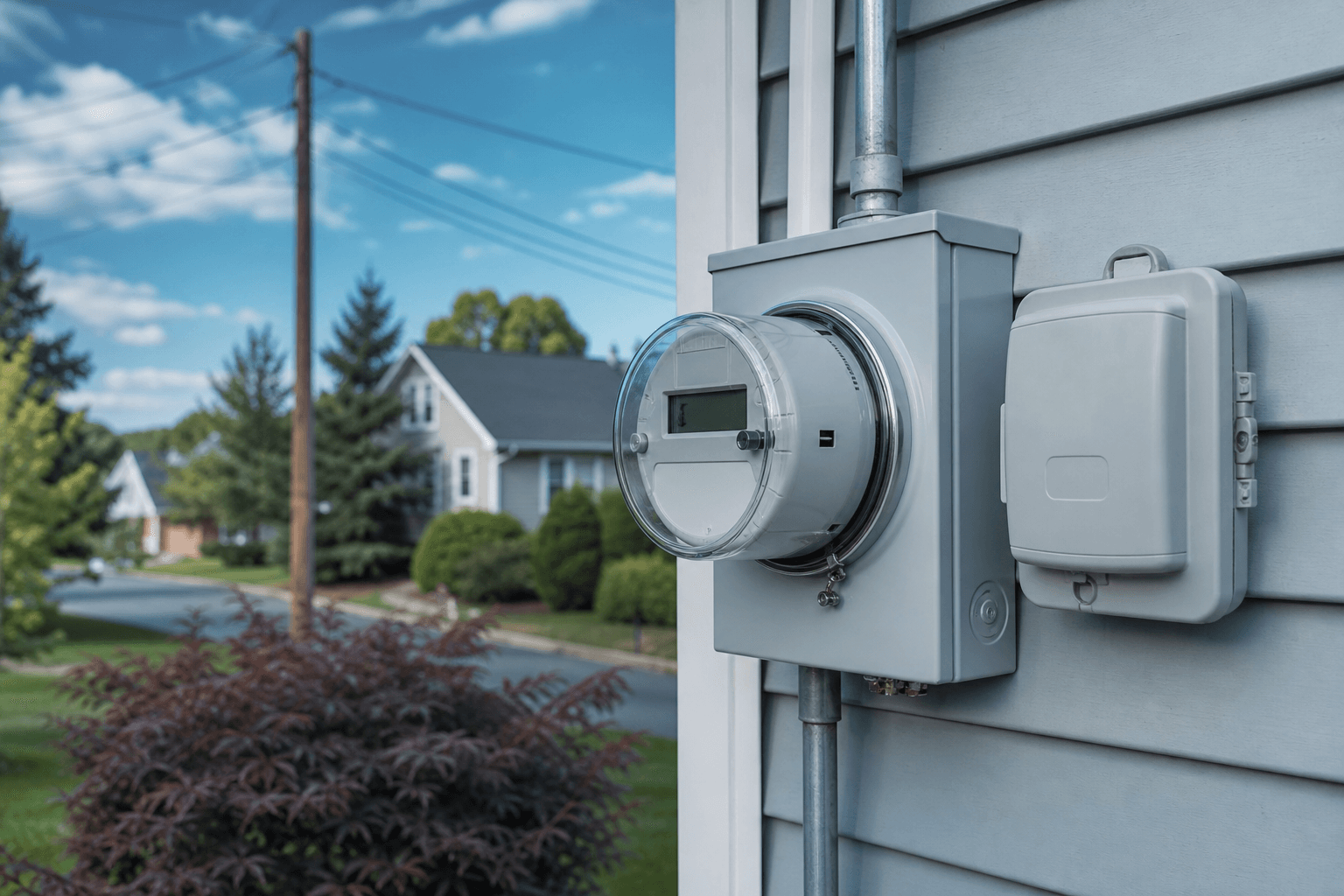
Under 52 Pa. Code § 75.13, utilities credit solar customers on default service at the full retail rate, including generation, transmission and distribution, for each kWh up to what you use in the billing period. Extra credits carry forward, and leftover credits at the end of the year are paid at the price to compare.
That means the grid already acts like a battery for your bill. Storing your own solar at noon to use at night saves little extra money when the grid credit is already full retail. We cover this in the net metering vs battery storage section of our net metering guide.
That could change if net metering rules change, or if you are on a rate plan where the time of day matters. If an installer shows big bill savings from a battery, ask them to show exactly which rate or rule produces those savings.
What happened to the tax credit
If you buy the system
The IRS says the Residential Clean Energy Credit (Section 25D) was 30 percent for qualifying property, including batteries of at least 3 kWh, placed in service from 2022 through 2025. It is not available for any property placed in service after Dec. 31, 2025. A battery you buy and install in 2026 does not qualify for that credit.
If a company owns the system (lease or PPA)
With a lease or power purchase agreement, a company owns the equipment on your home. The IRS describes a separate business credit, the Clean Electricity Investment Credit (Section 48E), for qualified facilities and energy storage placed in service after 2024.
According to SEIA's summary of the 2025 federal tax law, third-party owned systems can still use this business credit, with deadlines that apply to solar, while the solar placed-in-service deadline does not apply to storage. Other rules also apply. The company claims this credit, not you. Any benefit to you would show up in the lease or PPA price.
For the bigger picture on incentives, see our Pennsylvania solar incentives guide.
When a battery is worth it
A battery tends to make sense when backup power has real value to you:
- Someone in the home relies on powered medical equipment
- You work from home and cannot lose power or internet
- You have a sump pump, well pump or freezer you need to keep running
- You want backup without fuel, noise or exhaust
- You plan to add solar and want the panels to keep working in an outage
That last point matters. Most grid-tied solar systems shut off when the grid goes down, so line workers stay safe. Without a battery or a backup-ready setup, your panels will not power your home during an outage, even on a sunny day.
A battery is harder to justify if your main goal is a lower bill, outages are rare for you and short, or the cost would stretch your budget.
Sizing: what a battery can run
Two numbers matter on any battery spec sheet:
- kWh (energy): how much it stores. This sets how long it can run things.
- kW (power): how much it can deliver at once. This sets what it can run at the same time.
A rough way to estimate run time: battery kWh divided by your average backup load in kW. For example, a 13 kWh battery running about 1 kW of essentials would last about 13 hours, before losses and any solar recharging. That is a rough example, not a promise. Large loads like central air or electric heat use far more.
Most homes back up a set of essential circuits instead of the whole house. That keeps the battery smaller and the cost lower. Ask each installer exactly which circuits their quote covers.
Battery vs generator
Some homes use both. The right choice depends on how long your outages last, what you need to run, and what you want to spend. Get written prices for each option before you decide.
Questions to ask before you buy
- Which circuits will the battery back up, and for how long at my normal use?
- What is the battery's kWh and kW rating?
- Will my solar panels keep working during an outage with this setup?
- What does the warranty cover, and for how many years?
- If you claim bill savings, which rate or rule produces them?
- What is the total price with and without the battery?
Our Pittsburgh solar cost guide explains how to compare full proposals line by line.
The bottom line
In Pittsburgh in 2026, a battery typically costs around $13,500 to $27,000 depending on size, with no state rebate and no homeowner federal credit. Because Pennsylvania net metering already gives full retail credit, a battery is mostly a backup purchase. If backup matters to you, it can be worth it. If it does not, you can skip it and still get the main savings from solar.
Prices vary a lot between installers, so it pays to compare. There is no sales pitch here: compare up to 3 local solar quotes and ask each installer to price the battery as a separate line.
This site provides general education only. Verify pricing with licensed professionals and confirm tax questions with a tax professional.